Barbara: “I THOUGHT IT WAS JUST A TEMPORARY SITUATION”

Barbara BucciRead Cure Girl Barbara’s story on Wings for Life, Spinal Cord Research Foundation website 

How to avoid the inevitable? The cure would be a good start.

For days now the same question echoes in my head: “Is it possible to change someone’s essence?” According to metaphysics, the “essence” of something is made by the unchanging qualities of that same thing. This definition alone serves to explain that, in essence, we cannot change what we are.

lais-souzaSince January 27™ I’ve been thinking about Laís Souza. The ex-gymnast has undergone 13 surgeries over the course of her career and, unable to return to the gymnastics, she accepted the invitation to try skiing. Many people will ask themselves “why didn’t she simply stop training and accepted her ‘limits’?”. My answer will be: because there is no such possibility.Once I watched a documentary about the human nature and the mechanism of self- preservation which refers to the fear of dying, and this is what prevents people from exposing themselves to risk situations, although some people simply do not have it.

Laís suffered a severe spinal cord injury, obviously it is too early for any prognosis but taking into account the style of life and the seriousness of the injury, no prognosis is satisfactory and probably the sport will never again be part of her routine. Thinking about the past of Laís, I bet that if it were not for the seriousness of the injury, she would soon go back skiing. I believe chemistry explains a lot about this, but to make it simple – without talking into consideration the endorphin and its variants – the desire to expose oneself to the risk is part of the essence of many athletes and even amateurs, like me for example, and no one can judge the essence of another. It is very likely that if I had not suffered an injury in the spinal cord, on a hot beach day like today, I’d be surfing and balancing myself on the air, even because I would have probably fallen before. I think that while we have an idea of the risk, we don’t have a device to trigger the fear. As for you, who’s reading this article at this moment and have already thought of taking your son’s skateboard away, I would advise: Only 6% of all spinal cord injuries occur while practicing sports, however more than 50% are resulted from car accidents.

How to avoid the inevitable?? How? The cure would be a good start.

wfl 4/5/2014On May 4th, Floripa will host the Wings for Life World Run, the first global race of the history, bringing together 35 cities of the world, running together, with 100% of the funds reverted to the researches in favor of the Spinal Cord Injury cure.

Run for Laís, run for me, but mainly: run for all those who in the future do not deserve to have their dreams interrupted suddenly, being either a close relative or a stranger. If you cannot run, you can still register to help, with only 26 dollars you will make a new world for a lot of people!  Cure Girl Sabrina

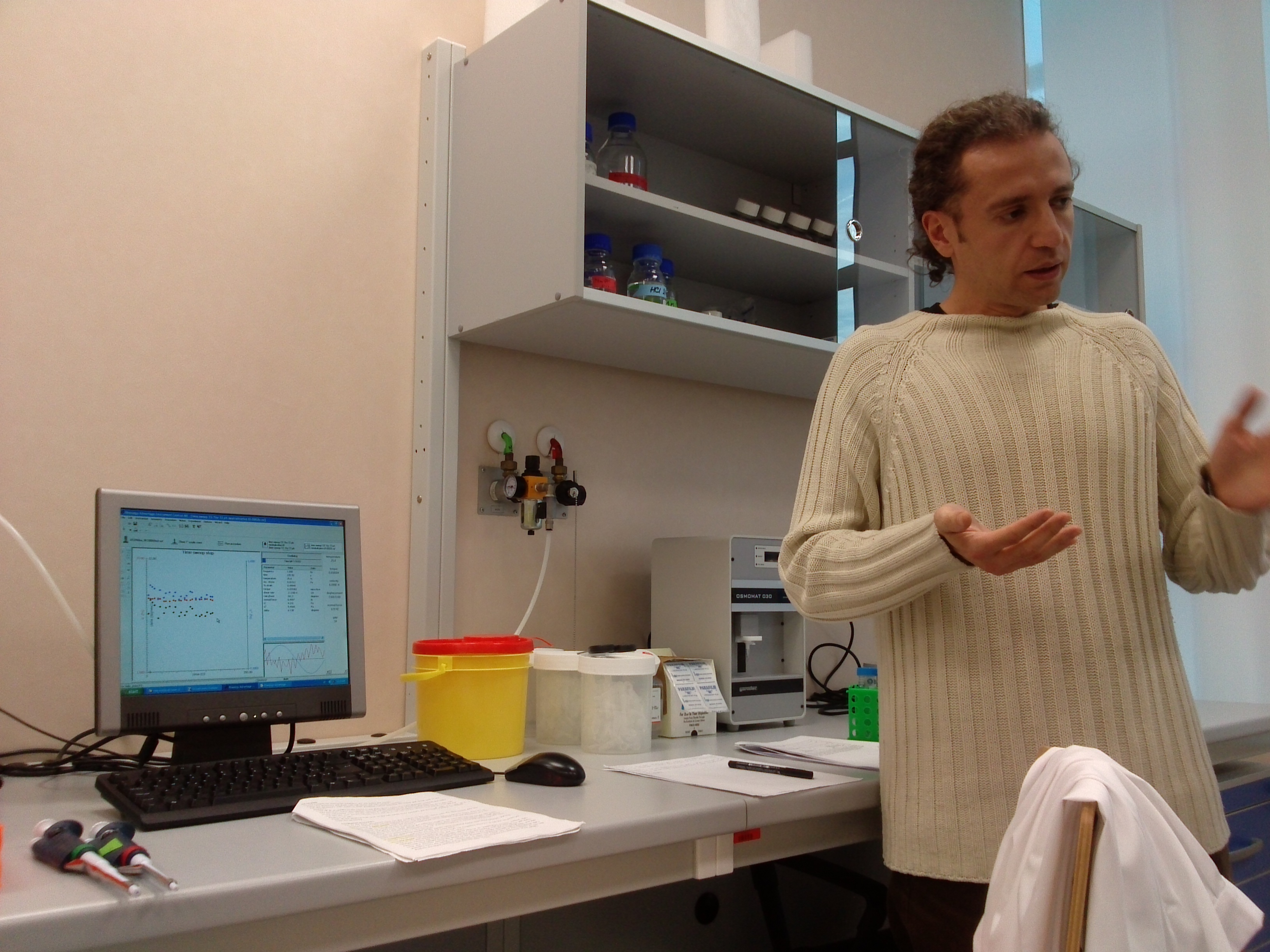
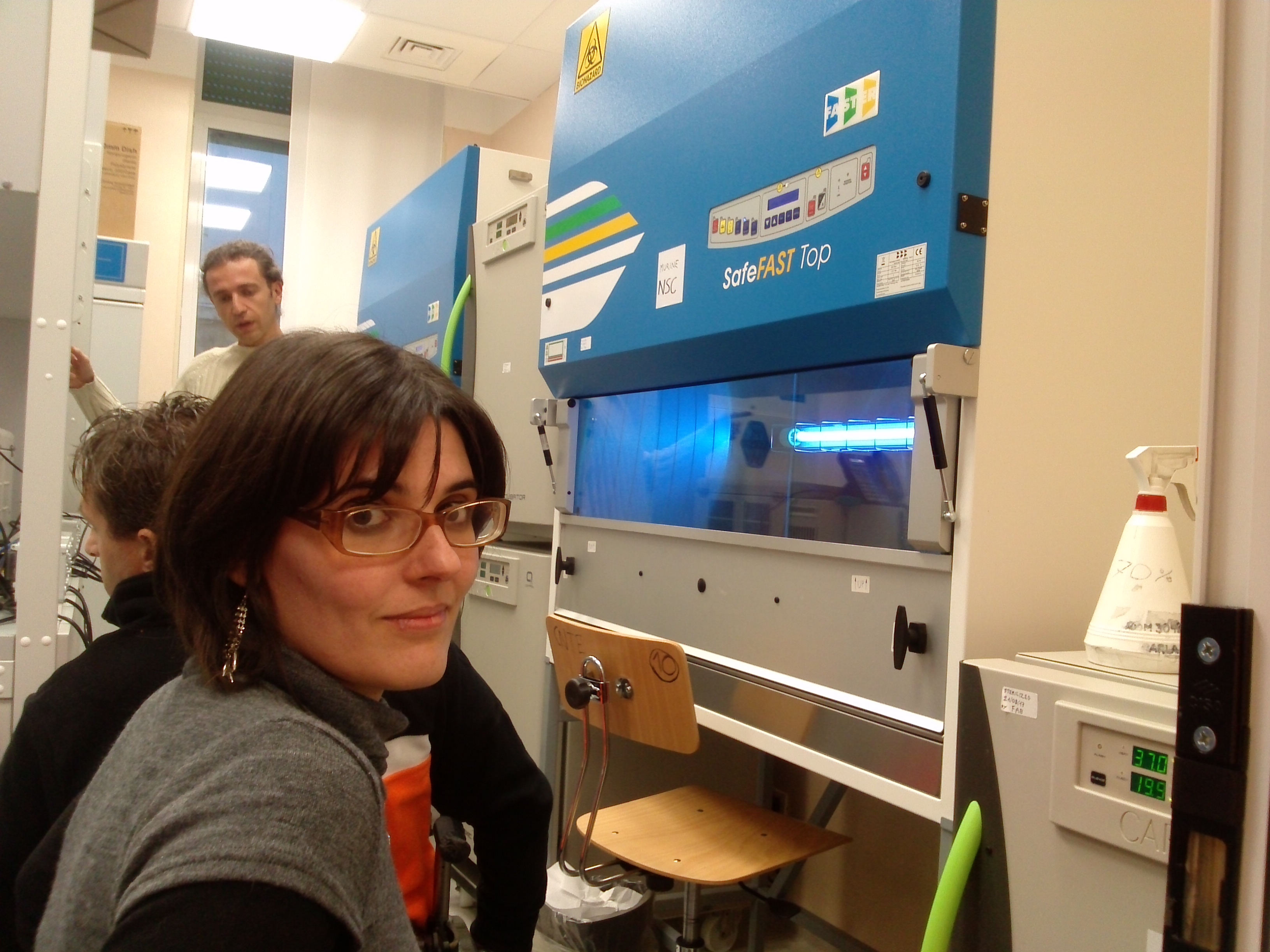
Our visit to the laboratories of Pharmacology, Department of Science Health, University of Milan

On January 20th 2014 the Cure Girls went to visit the labs of pharmacology of the university of Milan and met with Dr. Daniele Bottai. He showed us the new labs and gave us an interview to explain what his team is working on with regards to a cure for SCI.

1. Can you briefly describe the research that you are doing in relation to spinal cord injury?

When in 2006, I moved at the University of Milan, I have begun to get interested in Spinal Cord Injury (SCI) using a new (at the time) “drug”: neural stem cells. Between 2002 and 2006, I worked in the Laboratory of Professor Angelo Vescovi where I learned to manipulate neural stem cells (from different regions of the brain) both human and mouse.

In these 8 years spent to the University of Milan we have been studying the role of different types of stem cell in transplantation in animal model of SCI, in particular, we have studied the effects of murine embryonic and neural stem cells and human amniotic fluid (AFCS ) with the purpose to find the sources of stem cells that were an available source and with the appropriate characteristics for the treatment of neurological diseases .

In general, we can say that these cellular processes (performed in acute spinal cord lesion) have positive effects and are significant from a functional and morphological point of view. After treatment with the cells listed above, the mice returned to walk (albeit not the same as they did before the lesion); while lesioned not treated animals are able to move their hind limbs, but not to walk. (These results have been summarized in three scientific papers:

D. Bottai, D. Cigognini, L. Madaschi, R. Adami, E. Nicora, M. Menarini, A.M. Di Giulio, A. Gorio (2010).Embryonic Stem Cells Promote Motor Recovery and Affect Inflammatory Cell Infiltration in the Spinal Cord Injured Mice Experimental Neurology 223, 452-463 ;

D.  Bottai , L. Madaschi, A.M. Di Giulio and A. Gorio. (2008) Viability -Dependent Promoting Action of Adult Neural Precursors in Spinal Cord Injury . Molecular Medicine , 14 (9-10), 634-644.

 On the bases of these results, we asked what was the mechanism that caused this improvement.

The answer was that in this model the role of animal cells is purely trophic and they are not going to replace, if not in small portion, damaged or dead cells.

Various are the trophic molecules (cytokines) that are involved in this phenomenon. Recently, we have focused our attention on amniotic fluid cells. We chose this cell type because their availability since the at term cesarean delivery could represent an unlimited source of stem cells with no ethical issues and few risks for the child and the mother.

In a work that a few days ago has been accepted for publication (D. Bottai , G. Scesa , D. Cigognini, R. Adami , E.. Nicora, S. Abrignani, A.M. Di Giulio, and A. Gorio Third trimester amniotic fluid NG2 -positive cells are effective in improving on repair in spinal cord injury. Experimental Neurology.) we have shown that a trophic factor, produced by the AFCS, which is important for the induction of the morphofunctional recovery, was the hepatocyte growth factor (HGF) and that this cytokine was produced only by particular sub- populations of our cells or those expressing on their surface the NG2 protein (a membrane proteoglycan). Such a membrane protein can be hopefully used in the future to select from the amniotic fluid liquid the cells that express NG2 and so have a therapeutic action.

We are currently investigating what is the correlation between NG2 and HGF.

2. Acute injury or chronic injury present any difference for a research approach? Could you explains the differences and the advantages and disadvantages.

I do not think we can talk about differences between acute and chronic lesion in terms of advantages and disadvantages. These are two different pathological conditions, the acute progress into the chronic with the passage of time mostly because there is a de- myelination process.

In this context, we are dealing with two different types of patients the acute ones, namely that a few days or weeks have suffered damage to the spinal cord which have a very extensive inflammatory condition that exacerbates the primary mechanical injury further damaging the tissue and those, who instead, underwent chronic spinal cord injury for more time (months and years) in which degeneration induced by primary damage and the secondary SCI causes the formation of a cavity surrounded by the glial scar that separates the lesion from the undamaged tissue and prevent nerve regeneration.

Currently the researcher and clinician are faced with these types of patients because in the first instance they have not been able to prepare effective therapies to treat acute patients.

The therapeutic approach to the patient who recently underwent spinal damage is intended to reduce the compression state and to control the secondary damage due to inflammation through the drug methylprednisolone, inter alia, that approach does not seem to have a sufficient efficacy, as evidenced by the fact that the number of chronically para or quadriplegics is unfortunately increasing.

In the chronic patient instead we find ourselves facing a very different situation with the blood-brain barrier that is closed, and a glial scar consisting mainly of fibroblasts from the meninges and reactive astrocytes that produce proteoglycans (extracellular matrix molecules) that are responsible for the inhibition growth of axons.

In this situation, the therapeutic approach is vastly different from that prepared in the state of acute spinal cord injury.

In fact, removal (either mechanical – surgical or enzymatic) is a sine qua non con-diction in order to prepare any kind of intervention to restore or replace dead or damaged cells and rebuild the axons making them grow in the appropriate direction.

In this context, the treatment of chronic patients need multiple concurrent interventions:

  1.   Treatment with drugs that induce axonal regeneration;
  2.   Treatment with drugs that reduce the inhibitory effects of glial scar both mechanical and enzymatic chondroitinase that due to factors such as chemical inhibitors, blockers of Nogo and other myelin components;
  3.   Treatment with cells or systems consisting of nanomaterials and cells.

Some of these approaches were ineffective few years ago but in the light of developments in nanomaterials and new types of stem cells I think it might be appropriate to re-examine these pathways.

3. How do you think we can solve the problem of scar?

As I mentioned in the previous answer, in order to find an approach that leads to the recovery of sensory and motor pathways, it is necessary to make the scar area permissive for the survival of cells that are transplanted and that would allow axonal growth in the manner to ensure the recovery of the routes of transmission.

With this in mind, scar removal is definitely needed and should be prepared to minimize the risk of inducing further damage.

In this context, the experimental work in the preclinical phase or with animal models is essential but at the same time very complex given that small animals have practical difficulties of intervention and larger animals have problems is housing costs that are beyond the economical capability of most the laboratories that I know.

Finally, the translation of the results obtained in the preclinical stage is very difficult for a variety of patients such as those with spinal cord injury whose disease is highly variable due to the fact that the damage is very random and therefore leads to differences between the patient and the other.

4. Can you apply your research to Chronic Spinal Cord Injury?

The applicability of the cells in the amniotic fluid in models of chronic spinal cord injury must be verified experimentally, so I can say a priori that such an intervention can be prepared but obviously need the appropriate adjustments of the experimental protocol. In fact, while in the acute model we have a purely trophic action in the case of chronic treatment the intervention should be at the level of local scar in order to determine whether these cells could contribute to modify the scar itself and reconstitute the ways by means of the differentiation in cells central nervous system (neurons, oligodendrocytes and astrocytes) or by inducing endogenous stem cells to differentiate into mature cells. In this context, previous treatment with chondroitinase could improve the success of the experiment.

5. Do you have collaborations with other research institutions ? Which ones?

As I mentioned in our discussion in the institute , I believe that partnerships are the lifeblood of research. In recent years I have had collaborations with various research groups and consortia. Firstly put the FUNGENES: Functional Genomics of Human Embryonic Stem Cells; funded by the European Economic Community, Sixth Framework Programme. (€ 500,000 for 3 years) (in collaboration with Prof. A.L. Vescovi of which I was the deputy). This project was set out to investigate the characteristics proliferative and differentiative of stem cells (especially embryonic). This project involved and brought together about a dozen institutions across Europe and basically was the first step that allowed me to improve my knowledge on stem cells.

– Study of functional recovery induced by transplantation of neural stem cells in animal models of acute spinal cord contusion, funded by Fondazione Cariplo.(€ 300,000 for 2 years) (Coordinator Prof. A.L. Vescovi).

It was a project that introduced me in the world of spinal cord injury, and thanks to Prof. Vescovi, the project that make me chose to continue the research in neurodegenerative diseases

– Neural stem cells: a new approach to mobile spinal muscular atrophy; Asamsi non-profit organization funded by foundations and Families of SMA Italy . (Head with Prof. A. L. Vescovi) .

I am also currently working on the project “Role of stem cells in the treatment of glaucoma” (glaucoma is a neurodegenerative disease) with Professor Mario Luca Rossetti, which conducts clinical and research in my department and with Dr. Valentina Massa (which also works in my department) for a study of neurological disorders.

6. What are the steps needed to translate your result in human?

To start a clinical trial phase 1-2, that provide the safety analysis (which most likely this type of cells have since they belong to the class of mesenchymal which have already been extensively tested in several clinical trials) and effectiveness, our results must be first validated in other laboratories. Subsequently, it will be necessary to derive the cells so that they are compatible with the transplant in humans that means that the cells must satisfy conditions of Good Manufacturing Practice (GMP ) that involves the use of materials “human grade” in order to reduce the risk to the patient (for pathologies as the well- known prion disease such as mad cow disease. This procedure is currently out of our economical availability as it requires economical conditions of sterility and purity that we cannot get unless you build the appropriate laboratories.

7. Is there any particular obstacle that slows down your work?

The current financial situation of our country, where the cuts have affected many strategic sectors of the economy and cultural is experienced by us researchers, with much apprehension. While it is true that funding should be allocated to those who do the research and then excellence must be a prerequisite for this contingency (Italian and international), cuts in recent time unfortunately affected groups or researchers that produce high quality work. So there is now the hope that this trend may change and that organizations and associations (onlus) can help the researcher by funding specific projects.

We thank Dr. Bottai for his precious work and for giving us the opportunity to visit the center and for answering our questions.

Cure Girls Arcangela, Marina and Loredana


Our Visit to the Center for Nanomedicine and Tissue Engineering in Milan

We were recently invited by Dr. Fabrizio Gelain  to visit the new ‘Center for Nanomedicine and Tissue Engineering’ (CNTE) located at the Niguarda Hospital in Milan, Italy.

dr. Fabrizio GelainDr. Gelain is co-director of the center and has been working on Spinal Cord Injury (SCI) research for several years. He showed us the new labs and gave us an interview to explain what his team is working on with regards to a cure for SCI.

1) Could you tell us about this new research center and the nanotechnologies that your team is working on?

“Nanotechnology is the production and/or manipulation of materials that have a dimension between 1 and 100 nano-meters; in other words 1 nano-meter = 1 millionth of a millimeter.

At the Center for Nanomedicine and Tissue Engineering (CNTE) we design, synthesize, characterize nanostructured bio-prosthesis that can be naturally absorbed by the body. Here we utilize principles of nanomedicine, physics, materials science, cellular biology and medicine to develop prosthesis implantable in living organisms to repair damaged tissues. Often nanotechnologies are only considered for creating nanoparticles for a controlled release of drugs, for some tumor therapies or for imaging techniques. Our work is dedicated to other important sections of nanomedicine. We synthesize scaffolds that may also contain cells to repair important lesions of biological tissues. We also conduct three-dimensional cell culture experiments in vitro: a more complex paradigm than 2D but much more reliable to predict results in living organisms. That allows us to reduce animal studies which is very important from an ethical point of view and it also significantly reduces time and costs of research.”

2)  How nanotechnology can be used to cure spinal cord injury (SCI)?

“In the case of severe injuries, a portion of biological tissue is lost and it becomes useful to use a scaffold rather than just a cell therapy approach as it is necessary to provide physical and biochemical guidance for endogenous tissue to make regeneration happen. At the same time a scaffold keeps in the right place transplanted cells and guides them to a proper engraftment with the host tissue. In case of SCI very often there is a formation of scar tissue and also of a cyst. In this damaged area it becomes very useful to use a scaffold. Furthermore we have the possibility to design our scaffolds at a molecular level. That allows us to control the integration of the scaffold with the biological tissue, to control the release of drugs contained in the scaffold and to transplant more accurately cells which are useful for regeneration.”

3)  What is the difference between acute SCI and chronic SCI?

“In humans SCI is considered acute in the first few days (up to few weeks) after the lesion. Then it becomes “sub-acute” and finally chronic and stable. When exactly SCI can be considered chronic is still controversial, but there is a growing consensus that SCI can be considered chronic after one year. From a pathophysiological perspective acute and chronic lesions are extremely different. Acute SCI has hematoma, damaged but still present tissue, a strong immune response etc.. Usually (except in very severe lesions such as a gunshot wound) there is still the presence of tissue structure that will be lost gradually moving toward the chronic stage. In this phase interventions have the goal to prevent the secondary damage using mechanisms of neuroprotection. After the cascade of events that starts with SCI (also known as “secondary damage”) we have the chronic lesion that has a greater loss of nerve fibres, a glial scar all around the lesion and often in humans there are also internal cavities. The cysts and the gliotic scar are a physical and chemical barrier to regeneration.  Moreover at this stage the lesion is much bigger in comparison to the acute lesion and that makes regeneration even more difficult.”

in laboratorio4)  Research on acute or chronic SCI, advantages and disadvantages: what have you chosen to focus on?

“Doing research on acute SCI is very different than doing chronic SCI research. Chronic has more hurdles; scientific, logistical and also in terms of resources. In case of acute SCI the goal is to find a cure for future patients, while in chronic SCI we try to find a cure for people that already suffer the consequences of SCI. Often both basic and clinical research focus on acute SCI as experimental paradigms are shorter (a few months instead of up to a year), costs are lower and usually lesions are less severe since the secondary damage has not yet occurred. This can lead to positive results but in very specific conditions of patients to come. We have done and published research on acute lesions to get a rapid screening of new solutions in case of multiple variables (= possible solutions) that we can change thanks to the nanotechnologies. Preliminary results in short term are essential, but for 12 years our main focus has been chronic SCI even given all the difficulties we have mentioned including longer timeframes for each experiment and much higher costs). Nonetheless we keep our mind on the real significance and translationality of results we have obtained and on the ones we hope to achieve.”

5)  What is your approach to solve the scar problem?

“The answer to this question is very complex and above all isn’t clear yet to us and to the scientific community in general. In many studies enzymes have been used to degrade essential components of the scar. This is a good approach to make the scar matrix weaker. In our case we have the necessity to have a space to insert the components of our scaffold (currently made of micro-tubes of about 200 micron in diameter) and at the moment we do a pre- treatment to weaken the scar which then needs to be partially removed surgically. Clearly this procedure is critical: the lesion has to be first studied in details using the most modern imaging techniques and then the previously weakened scar can be partially removed but leaving a safety layer of tissue to avoid damaging intact nervous tissue. Then one more treatment to weaken the scar (still using enzymes) can be done to facilitate axons to enter the implant. To be able to undertake this intervention it is essential to first do an accurate three-dimensional study of the lesion site.”

6)  In 2011 you published in ACS Nano the results of a study in which rats with chronic SCI have  shown a significant recovery. What progress has been made since then?

“We have continued to improve the approach that we used in the above mentioned study,  which was also just a starting point for the international scientific community. Indeed our results have been listed among the 5 more important recent discoveries in nanomedicine.  (Scientific American  ).

We have gone forward by improving chemical components and biological functionalities of the biomaterials and we have developed additional interventions (before and after surgery) that are essential to obtain stronger results. We have had better preliminary results, but because of the time and costs of this research we don’t have trustable results to share yet. Our general strategy consists of synergically merging the promising strategies already published by others with our discoveries (multidisciplinary approach) to develop a more complex but more promising therapy. We will keep presenting at symposia and publishing in international scientific journals our results so that they can be analyzed impartially by the scientific community and patients.”

7)  Do you collaborate with other groups of research?

“We have several national and international collaborations. In Italy the most important ones are with the Casa Sollievo della Sofferenza Hospital from S. Giovanni Rotondo with which we share many important parts of our projects and the Cell Factory of Terni. Additionally, we collaborate with the University of Milan-Bicocca, the University of Trieste and others. Internationally we have important collaborations with scientific teams at the Massachusetts Institute of Technology, the Lawrence Berkeley National Lab, the University of Alberta and the University of Florida. We remain very open to new collaborations since it is when different disciplines merge that the best results occur.  I also believe that regeneration of the spinal cord is a very complex target, well beyond a single approach.”

8)  What are the necessary steps to bring your discoveries to clinical trials?

“Before we can start clinical trials our results needs to be replicated by independent labs. Meanwhile, as I have said at the moment we are improving our approach with the goal to improve the results and make it applicable on people. Then we will need to produce our bioprostheses to standard GMP (Good Manufacture Practice) to meet the quality criteria necessary for clinical application. Lastly we will have to apply to ethical and medical authorities and do all the necessary paper work to get the authorization to conduct clinical trials.”

9)  Is there any particular obstacle?

“Unfortunately the main obstacle is the lack of funding and that is slowing down our progress. We have a tremendous potential but we proceed at a much slower speed than we could.”

10)   What economic resources are necessary to get ready for clinical trials?

“That is a very critical question; I can say that in terms of infrastructures we have made good progress in the last few years. The critical aspect at the moment is to hire more people to do the necessary research work. We will then need funding to produce GMP bioprostheses and finally to do all the paper work to get the authorization to do a phase I clinical trial. All this will require a few million Euros.”

We thank Dr. Gelain for his precious work and for giving us the opportunity to visit the center and for answering our questions.

Cure Girls Loredana and Arcangela


Cure Girl activity results in support for Chronic spinal cord injury research in Italy

Cure Girl activity results in the decision of the regional administration of Lombardy in Italy to support Chronic spinal cord injury research in 2014 

The regional administration of Lombardy  on Dec. 20th 2013 has approved the health plan for 2014 as proposed by the members of the administrations Dr. Mario Mantovani and Dr. Maria Cristina Cantù.

On page 115 of Annex 3 under “Special Programs ” it has been specified that the intention of the administration is  to allocate money to research for chronic spinal cord injury .

The Council’s decision was supported by the President of the Commission III Health and Social Welfare Dr. Fabio Rizzi, who had received and evaluated a proposal signed by Ms. Loredana Longo (Cure Girl) and Mr. Paolo Cipolla. The proposal detailed the situation of people living with chronic spinal cord injury and requested financial investment in research to find a CURE for this condition in line with the Council of Europe Recommendation n° 1560/2002.

“This is just the first step” said Dr. Rizzi. “Now we have to identify specific projects.”

On behalf of people living with spinal cord injury that every day fight for a cure Ms. Longo and Mr. Cipolla want to thank the regional administration of Lombardy, Dr. Mario Mantovani, Dr. Maria Cristina Cantù, Dr. Fabio Rizzi  and his staff who have all shown to be extremely passionate and visionary to find a solution for this problem.

In Italy the Ministry of Health estimates the number of people living with paralysis caused by spinal cord injury is 80,000 with about 1.200-1.500 new cases per year. About 80% are between 10 and 40 years old. In the Lombardy region alone it is estimated that there are about 14,000 people living with spinal cord injury with an annual increase of approximately 250 new cases. This terrible condition is not only highly disabling for spinal cord injured people, but it also has a tremendous social and economic impact . In fact life expectancy for people with spinal cord injury is considerably reduced, especially for quadriplegics and also involves extremely high social costs.

I’m confident that this commitment of the Regional  administration to support  research will help to find effective therapies for the treatment of paralysis caused by chronic spinal cord injury.

Cure Girl Loredana

CURE GIRLS: One year of our activities to support the CURE!

A year has passed and we all tried, each with their own ability to find new ways to support research for a cure for chronic spinal cord injury.

We have organised events, did a skydive, took part in marathons, got friends and family also to take part in marathons/challenges for us. We also done photo shoots to launch a campaign highlighting the aspects that characterise people in wheelchairs living with paralysis.

Us Cure Girls have also edited, translated, shared, documented, visited research laboratories, raised funds and Skype call each other regularly for conference calls brainstorming and discussing future possibilities/campaigns.

PHEW!!! We did everything we possibly could to get our cure message out there.

Unfortunately our condition is the same but WE WILL NEVER GIVE UP, we will continue to fight until CHRONIC SPINAL CORD INJURY becomes curable. We do hope that we can count on a growing number of people who will support our mission.

A VERY BIG THANKS to all of you who have supported us, followed us and been by our side. We couldn’t do this without your love and support. Wishing you all much peace, joy and happiness and hope that the new year will bring us a CURE for chronic spinal cord injury.

Lots of love,

The Cure Girls X

VIDEO: CURE GIRLS: One year of our activities to support the CURE!

The Cure Girls Took Part In The Ride For Life 2013 Event.

Some days you wake up and think that you are not able to go on in this way. You would like “to get up” but your legs cannot move and they remind you that alone you cannot do it.

In those days it is very difficult to find the persistence to say: “I will never give up, I go on to fight!”.

Despite everything and everybody, you try to be strong (because to be strong is the only choice you have) and try to find a way to avoid the fact that other people have to suffer like you because of spinal cord injury and in your heart you hope that  from your efforts, your anger and your pain, something good can be found, for everybody, including yourself.

Ride for Life is for me an example of it.

Ride for Life is a charity sporting event organized by  Riders4Riders Onlus e Marina Romoli Onlus associations and it has been created to help young bikers/cyclists that suffer a SCI and to actively support medical research for a cure of chronic spinal cord injury.
Ride for Life - Trofeo Antonelli
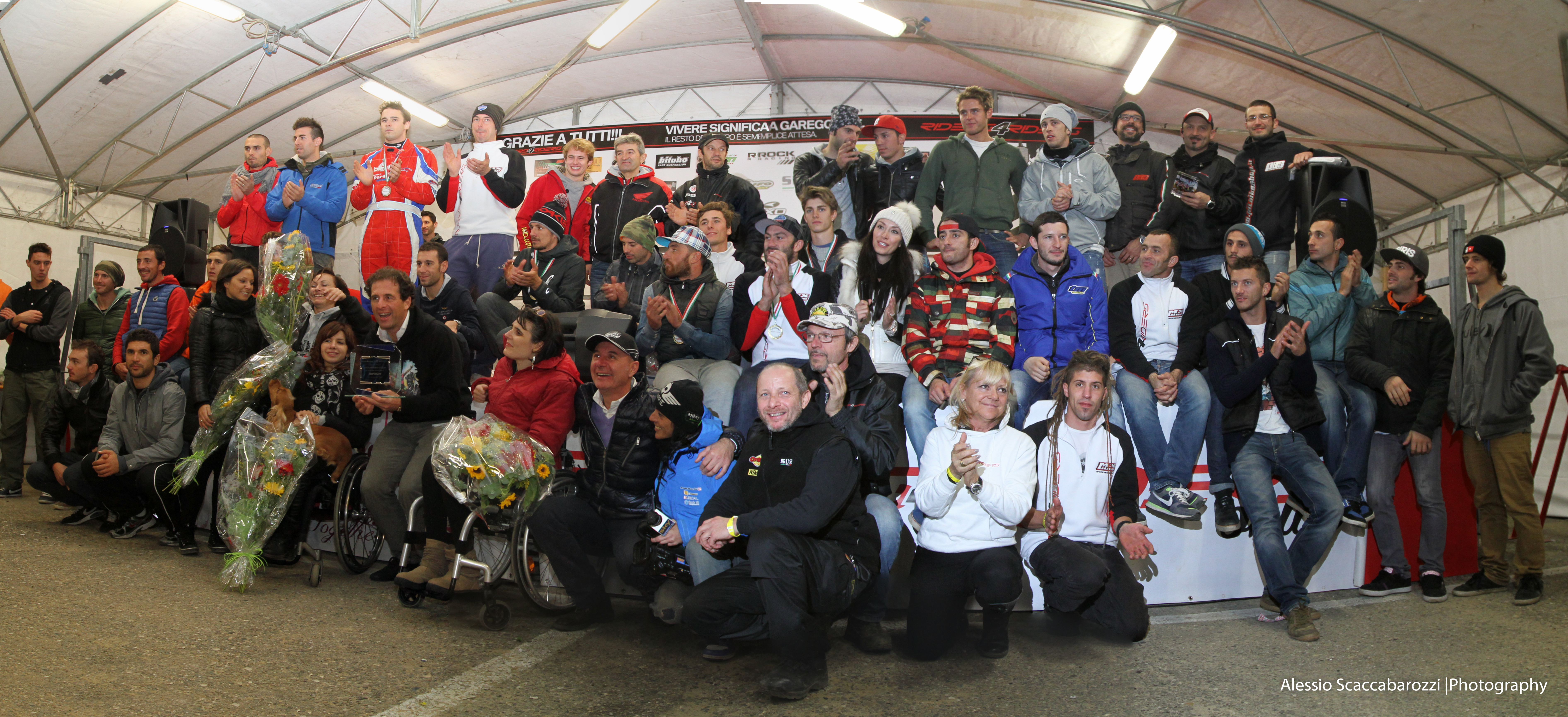
Also this year the Italian Cure Girls, have actively participated in the event that was held on last November 16th and 17th by the South Milano Track in Ottobiano.
Thanks to all bikers/cyclists champions and to all the people that participated to the event, they have been able to raise € 30.000  for spinal cord injury cure. Money raised during the previous editions, have been addressed, thanks to a collaboration with Wings for Life, to the project of prof. Gregoire Courtine by EPFL (Ecole Polytechnique Fedérale de Lausanne) in Switzerland, a project focused on finding ways to restore sensory and motor functions that have been interrupted due to a spinal cord injury.

In the coming months, the Wings for Life Scientific Committee will be announcing a new competition for 2014 in which researchers can participate with their projects. Next spring the Scientific Committee will be deciding the list of the most deserving projects. The organizers of Ride for Life will choose to assign the amount collected with the 2013 edition. “It takes time –  Marina Romoli Onlus and Riders4Riders Onlus representatives explained – but we want to assign the collected amount to a serious project that can produce concrete results; so in addition to the challenge of fundraising we also have to be meticulous in choosing the projects to be funded. In May we’re visiting the laboratories of Professor Courtine to see how the work is progressing and decide whether to continue to invest in the project we chose last year”.

Ride for LifeWe Cure Girls have met many champions of international motorcycling and cycling, politicians, journalists, young men and women in wheelchairs and lot of ordinary people who were there to support us in our fight for CURE.

The Italian media has given extensive coverage to Ride for Life; there were many articles and reports which have highlighted the aim of Ride for Life and in this way our message has reached the heart of people who unfortunately could not participate in the event. The next edition of Ride for Life will be in November 16, 2014 at the Circuito Internazionale South Milano in Ottobiano.

The Cure Girls would like to thank all those who, even with a little help, have contributed to the excellent success of Ride for Life 2013, but especially those who believe, hope and struggle with us to make sure that one day chronic spinal cord injury become curable!

Comunicato Stampa Ride For Life 2013

Rassegna Stampa Ride for Life

Photos:  https://www.facebook.com/media/set/?set=a.10153478477345024.1073741933.191644355023&type=3

Ride for Life 2013 - foto di gruppo finale

AN OPPORTUNITY TO SAY WE WANT A CURE!

The UK’s Stoke Mandeville Spinal Foundation (SMSF) is conducting a priority setting survey, open to individuals living with SCI and also families, carers, health and social care professionals.  This is a rare opportunity for our pro-cure voices to be heard and it’s vital that the results of this survey deliver a realistic and honest view of our desires and needs.

Surveys often ask us to prioritise our needs: “Do we want bowel and bladder? Is hand function the most important thing?” What surveys have failed to do is understand the UNDERLYING causes to all our problems: damage to the spinal cord.

 damageSo with this survey, we encourage you not to list your priorities and not to ask for a solution to symptoms but to ask a simple question:

HOW CAN WE REPAIR THE CHRONICALLY DAMAGED SPINAL CORD TO RESTORE FUNCTION?”

Care initiatives for individuals with SCI have limitations. No matter how many carers you have, how big your financial compensation package is, how light your wheelchair is, how many accessible shops and restaurants there are, how much rehabilitation is available to you, how many incontinence products available to you and how much assistive technology is available – it cannot ever compare with the gains in health, independence and wellbeing resulting from the return of function.

The repair of the chronically damaged spinal cord is the ultimate form of Quality of Life for the SCI Community!

The Cure Girls strongly urge you to take part in this survey and more importantly, ask the right question:

HOW CAN WE REPAIR THE CHRONICALLY DAMAGED SPINAL CORD TO RESTORE FUNCTION?”

 The survey is here.

Esempio

Travelling With Spinal Cord Injury is a Nightmare!

travel barbara 2Travelling is one of the things I love the most… and it is one of the things I miss the most in my life. I love to travel but since my spinal cord injury I can do it only if there are some conditions. I made just one big journey after my injury… I went to Australia two years ago… that was my first real trip I made in my life and I could make it thanks to my parents, I can’t move anywhere without them and specially without my mother’s care (except of some circumstances). During my life with my injury I always had to give many trips up because I couldn’t have the assistance I need, and this is something that made me suffer in silence several times.

By in my experience I can say that travelling itself is not impossible for people with spinal cord injury, but it needs proper organization before leaving. About my journey to Australia, for example, I had a catheter with a bag to collect urine because I coudn’t use the toilet on the plane; this is one of the problems a spinal cord injuried has to deal with. Then I would have to avoid the risk of causing pressure sores because of many hours sitting, but the seat was too narrow to put my wheelchair cushion on, so I had to travel 12 hours without any protection. Luckily everything went fine, but you can’t count on fortune every time… this is something that people with spinal cord injury can’t afford. I’ve longed for a trip to Australia for many years and I am grateful to have had a dream come true… but that can’t be repeated even if I desire it much more than the first time.

Saint Augustine said: “The world is a book, and those who do not travel read only a page”

I can add that many people have no possibility even only to open that book. 

We need a Cure for Chronic Spinal Cord Injury!

Cure Girl Barbara


“Clothes make the Girl” (Part 2)

Spinal Cord Injury is difficult in a million different ways.

Four of the Cure Girls with tetraplegia give you a snapshot of the issues they have with clothing.

Lolly Mack - Polaroid“My first awful experience with clothing was in the early days of my injury. I was told to no longer wear designer underwear and fashionable clothes as they weren’t practical. Hospital staff recommended ‘big, baggy clothes and plain underwear’ to prevent marks, redness and pressure sores. I’d lost enough dignity and femininity and so completely REBELLED. With caution I continue to wear my designer underwear, high heels and tiny tops. Everyone copes differently but I didn’t want to change who I was. However, there are issues. Tetraplegics often have a catheter and leg bag for urine collection. When dressing it’s crucial that the tube doesn’t get kinked as you can end up wetting yourself. It’s impossible to wear short skirts, skinny jeans, bikinis or swimsuits. I try to look the best I possibly can for now… but I know that one day they’ll all be back in my wardrobe.”  Cure Girl Lolly

Ruth - Polaroid

“Prior to my injury, I used wear whatever I wanted – tight jeans, shorts, bikinis, skirts. My clothing choice was dictated by my mood, by the weather or by occasional. I dressed for me, not for my injury. Since becoming a tetraplegic, I have to dress warmly because of poor circulation. I have to dress around a urine collection bag. I must ensure my skin is not irritated and my shoes must be soft. These are the realities which so few people are willing to talk about.  We put a lot of work into looking as good as we can but we simply can’t dress as we desire. Self-expression through clothing choice is just one more thing that paralysis robs from us. We have our fashions dictated to us by circumstance, rather than choice and it’s sad. We want ourselves back and that’s why we fight!” Cure Girl Ruth

Sabrina _Polaroid

“After my injury I donated almost all my clothes thinking that I would no longer have any use for them! I’m totally dependent and that’s why I need somebody to dress me. Maybe because that is easier to me put skinny clothes. I try to keep my style; I’m a beach girl and I like comfortable garments. Another think that changed completely is the way I buy clothes: not only do I need to like the clothes, they also need be appropriate to wear. The most challenging aspect for me is shoes! I once damaged my skin with a lovely but hard pair of boots and now I need to be really careful with this. In conclusion, the thing I miss the most?  My high heels!” Cure Girl Sabrina

Barbara_ Polaroid

Before my injury I did not have a clear idea what kind of clothing I preferred or liked to wear the most. I was young at the time of my injury and therefore had not developed my style. Because I was so young, I did not have the opportunity to see myself in more mature, feminine clothing such as a night dress, shoes with heels and sexy underwear. All that type of clothing comes to be part of the girls’ wardrobe when she starts to mature and reach a certain moment of her life. These days, I feel comfortable with my compulsory, practical clothing because the horrible fact is that due to my spinal cord injury, now I have a body that I don’t want to show’.” Cure Girl Barbara